Giardiniera shows up on Italian beef sandwiches, antipasto boards, charcuterie platters, and pizza — and most people have no idea what it actually is, what’s in it, or how to say it out loud without hesitating. This guide covers everything.
What Is Giardiniera?
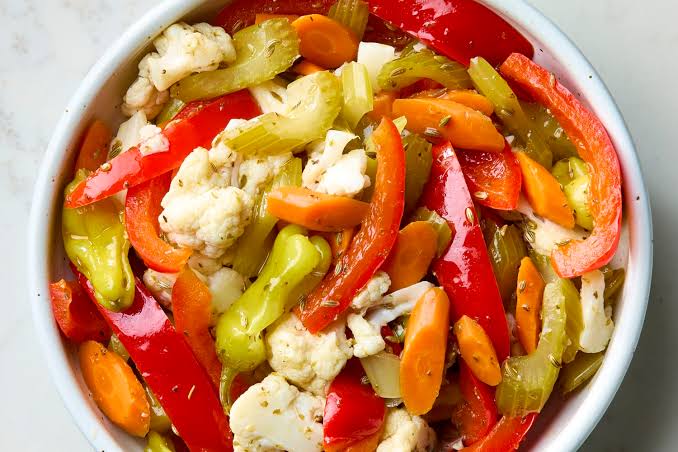
Giardiniera is an Italian condiment made from pickled vegetables — typically a mixture of cauliflower, celery, carrots, bell peppers, olives, and hot peppers — preserved in either vinegar brine or oil. The name comes from the Italian word giardino, meaning “garden,” and giardiniera translates loosely to “from the garden” or “gardener’s style.”
In its home country of Italy, giardiniera (sotto aceto style — “under vinegar”) is a mild, vinegar-pickled vegetable relish traditionally served as part of an antipasto spread or alongside cold meats and cheeses. It’s bright, tangy, crisp, and refreshing — a palate cleanser as much as a condiment.
In the United States — specifically Chicago — giardiniera took on an entirely different identity. Chicago-style giardiniera is spicy, oil-packed, finely chopped, and aggressively seasoned with sport peppers, serrano chilies, and oregano. It’s a defining condiment of Chicago food culture, the essential topping on an Italian beef sandwich, and fiercely beloved by the city to a degree that borders on civic identity.
Also Read: What is Stracciatella
Two countries, one name, two completely different condiments. Both are worth knowing.
How to Pronounce Giardiniera
This is the question that stops most people before they even get to ordering. The spelling looks intimidating in English, but the pronunciation follows simple Italian rules once you know them.
Giardiniera is pronounced:
jar-din-EE-air-ah
Broken down syllable by syllable:
- Giar — pronounced “jar” (in Italian, “gi” before a vowel makes a soft “j” sound)
- di — pronounced “dee”
- nie — pronounced “nee-air” (the “ie” creates a soft glide)
- ra — pronounced “rah”
Full pronunciation: jar-din-EE-air-ah
The stress falls on the third syllable — EE. The “gi” at the beginning is the same sound as in gelato (jeh-LAH-to) and giro (JEE-ro) — the “g” softens to a “j” sound before the vowel “i” in Italian.
A simple memory trick: Think of it as two familiar words smashed together: “jar” + “din” + “EE-era”. Say it three times at normal speed and it locks in quickly.
How do you pronounce giardiniera confidently at a restaurant or deli? Just say: “jar-din-EE-air-ah” — and say it without hesitating. The hesitation is what makes it awkward, not the word itself. Anyone working at an Italian deli or Chicago beef stand will appreciate that you tried.
What Is In Giardiniera?
The ingredients in giardiniera vary significantly between the Italian and Chicago-style versions — and even within each tradition, recipes differ by region, family, and producer. But certain core vegetables appear in almost every version.
The Core Vegetables
| Vegetable | Role in the Mix | Notes |
|---|---|---|
| Cauliflower | The main body — absorbs brine beautifully | Cut into small florets; present in virtually every version |
| Celery | Crunch and freshness | Sliced thin; a staple in both Italian and Chicago styles |
| Carrots | Sweetness and color | Sliced into coins or julienned |
| Bell peppers | Color, sweetness, body | Red, yellow, or green — adds visual appeal |
| Hot peppers | Heat | Sport peppers and serranos in Chicago style; milder pepperoncini in Italian style |
| Green olives | Brininess and richness | More common in Italian-style; sometimes omitted in Chicago style |
| Pearl onions or celery | Sharp, pungent bite | Less common but traditional in some Italian recipes |
| Pepperoncini | Mild heat and tang | Italian style staple |
The Brine or Oil
This is where the Italian and Chicago versions diverge most dramatically:
Italian-style giardiniera: Packed in white wine vinegar or red wine vinegar brine. The vegetables remain crisp and bright — it’s a lighter, more acidic condiment that functions similarly to other pickled vegetables.
Chicago-style giardiniera: Packed in olive oil (or a blend of olive oil and vegetable oil) after an initial salt brine. The oil preserves the vegetables and carries the spices and herbs into every bite — it’s richer, more complex, and the oil itself becomes a flavored condiment that you want to drizzle on everything.
The Seasonings
Italian-style: White wine vinegar, salt, sometimes a bay leaf or peppercorns. Clean and simple.
Chicago-style: The seasoning is where the flavor complexity lives — dried oregano, crushed red pepper flakes, celery seed, garlic, black pepper, and sometimes fennel seeds. The spice mixture is soaked in oil alongside the vegetables, infusing the whole jar with deep, herby, spicy flavor.
Also Read: Costco Menu
Italian-Style vs. Chicago-Style Giardiniera: A Full Comparison
| Italian-Style Giardiniera | Chicago-Style Giardiniera | |
|---|---|---|
| Origin | Italy — national tradition | Chicago, Illinois — city-specific tradition |
| Pack medium | White or red wine vinegar | Olive oil (after salt brine) |
| Heat level | Mild to medium | Medium to very hot |
| Texture | Crisp, firm, chunky | Finely chopped (mild) or chunky (hot) |
| Flavor profile | Bright, tangy, acidic, fresh | Rich, spicy, herby, complex |
| Primary use | Antipasto, alongside meats and cheese | Italian beef sandwiches, pizza, hot dogs |
| Shelf life | 1–2 weeks refrigerated after opening | Several weeks refrigerated after opening |
| Most common vegetables | Cauliflower, carrots, celery, olives, pepperoncini | Cauliflower, celery, carrots, sport peppers, serranos |
| Key seasoning | Vinegar, salt, bay leaf | Oregano, celery seed, garlic, red pepper flakes |
Also Read: Best Canned Tuna Recipe
The History of Giardiniera
Italian Origins
Giardiniera in Italy has roots in the centuries-old tradition of conserve sotto aceto — preserving vegetables under vinegar to last through winter when fresh produce was unavailable. Italian households would put up jars of pickled garden vegetables at the end of summer, using whatever the garden produced: cauliflower, carrots, peppers, celery, onions. The practice predates refrigeration and reflects the deep Italian culinary principle of preserving abundance against scarcity.
The tradition varies by region. In Piedmont and Lombardy in the north, giardiniera is served alongside bollito misto (mixed boiled meats) as a cutting condiment. In central and southern Italy, it appears on antipasto boards and alongside cured meats and cheeses. In every case, it is a supporting player — a condiment that brightens and refreshes, not a centerpiece.
Chicago-Style: An American Evolution
Giardiniera arrived in Chicago with the wave of Italian immigrants in the late 19th and early 20th centuries. What happened next is a classic story of immigrant food culture adapting to a new environment and, in the process, creating something entirely original.
Chicago’s Italian communities — particularly on the city’s West Side and in neighborhoods like Taylor Street (the original “Little Italy”) — adapted the pickled vegetable tradition to local ingredients and tastes. Sport peppers, a staple of Chicago street food culture (they appear on Chicago-style hot dogs as well), became a defining ingredient. The switch from vinegar brine to oil preservation likely developed to create a richer, more shelf-stable product suited to the deli and sandwich-shop culture of the city.
By the mid-20th century, giardiniera had become inseparable from Chicago’s Italian beef sandwich — the iconic street food of thinly sliced seasoned beef served on Italian bread, dipped in the beef’s cooking juices, and topped with either sweet peppers or giardiniera. Chicago-style giardiniera is now produced by several local brands (Marconi, Vienna Beef, and Scala’s are the most well-known) and shipped across the country to nostalgic Chicagoans who can’t find it locally.
How to Make Giardiniera at Home
Recipe 1: Italian-Style Giardiniera (Vinegar-Packed)
Clean, bright, and ready within 24 hours. This is the version closest to what you’d find in Italy — served alongside antipasto, cold cuts, and cheese.
Ingredients (makes 2 large jars):
- 1 small head cauliflower, cut into small florets
- 3 celery stalks, sliced into ½-inch pieces
- 2 medium carrots, sliced into coins
- 1 red bell pepper, diced
- 1 yellow bell pepper, diced
- ½ cup green olives, pitted and halved
- 4–6 pepperoncini, sliced
- 2 tbsp kosher salt (for salting)
For the brine:
- 2 cups white wine vinegar
- 1 cup water
- 1 tbsp sugar
- 1 tsp fine salt
- 4 garlic cloves, sliced
- 1 tsp black peppercorns
- 2 bay leaves
- ½ tsp dried oregano
Instructions:
Step 1: Salt the vegetables. Combine cauliflower, celery, carrots, and bell peppers in a large bowl. Toss with 2 tbsp kosher salt. Cover and refrigerate for 8–12 hours (or overnight). This draws excess moisture from the vegetables, keeping them crisp in the jar and concentrating their flavor.
Step 2: Rinse and drain. Rinse the salted vegetables thoroughly under cold water to remove the salt. Drain very well and pat dry with clean kitchen towels — excess moisture dilutes the brine and shortens shelf life.
Step 3: Make the brine. Combine vinegar, water, sugar, and salt in a saucepan. Bring to a boil, stirring to dissolve the sugar and salt. Remove from heat and cool slightly.
Step 4: Pack the jars. Pack the vegetables tightly into clean jars along with the olives, pepperoncini, garlic slices, peppercorns, bay leaves, and oregano. Pour the hot brine over the vegetables, filling to within ½ inch of the top. Ensure all vegetables are submerged.
Step 5: Cool and refrigerate. Allow to cool completely at room temperature, then seal and refrigerate. The giardiniera is ready to eat after 24 hours but improves significantly after 3–5 days as the flavors develop and the vegetables absorb the brine.
Refrigerator shelf life: 3–4 weeks
Calories per ¼ cup serving: ~20
Recipe 2: Chicago-Style Giardiniera (Oil-Packed, Spicy)
The real deal — spicy, rich, and deeply flavored. Essential on Italian beef sandwiches, excellent on pizza, eggs, grilled meats, and basically everything else.
Ingredients (makes 2 large jars):
Vegetables:
- 1 small head cauliflower, cut into very small florets
- 4 celery stalks, finely diced
- 2 medium carrots, finely diced
- 1 red bell pepper, finely diced
- 1 green bell pepper, finely diced
- 4–6 serrano peppers, sliced thin (adjust to heat preference)
- 6–8 sport peppers, sliced (or substitute with more serranos)
- 4 garlic cloves, minced
- ¼ cup kosher salt (for salting)
For the oil pack:
- 1½ cups extra virgin olive oil (or ½ olive oil + ½ vegetable oil for a lighter flavor)
- 1 cup white wine vinegar (used in the salt brine step)
- 1 cup water (used in the salt brine step)
- 2 tsp dried oregano
- 1 tsp celery seed
- 1 tsp crushed red pepper flakes
- ½ tsp black pepper
- ½ tsp garlic powder
Instructions:
Step 1: Salt and brine the vegetables. Combine all vegetables (except garlic) in a large bowl. Toss with ¼ cup kosher salt, cover, and refrigerate overnight (12–16 hours). This step is critical — it draws out moisture, firms the vegetables, and seasons them from the inside out.
Step 2: Rinse, drain, and dry. Rinse vegetables thoroughly, drain very well, and spread on clean kitchen towels. Pat completely dry. Residual moisture is the enemy of good oil-packed giardiniera — it causes cloudiness and shortens shelf life significantly.
Step 3: Combine with oil and seasonings. In a large bowl, combine the dried vegetables with minced garlic, oregano, celery seed, red pepper flakes, black pepper, and garlic powder. Pour olive oil over everything and toss to combine thoroughly. Every piece of vegetable should be coated.
Step 4: Pack the jars. Pack the oil-coated vegetable mixture tightly into clean jars, pressing down to eliminate air pockets. Pour any remaining oil from the bowl over the top — all vegetables must be submerged in oil to preserve properly.
Step 5: Rest before eating. This is the hardest part: wait at least 2 days before opening. 3–5 days is better. The oil needs time to absorb the spices and carry those flavors into every piece of vegetable. Giardiniera made on Sunday is extraordinary by Thursday.
Refrigerator shelf life: 4–6 weeks. The oil will solidify when cold — this is normal. Take the jar out 15–20 minutes before serving to allow the oil to liquefy.
Calories per 2 tbsp serving: ~80 (primarily from oil)
How to Use Giardiniera
Also Read: Angel hair pasta vs Spaghetti pasta
Once you have a jar of giardiniera, you’ll find yourself reaching for it constantly. Here’s where it works best:
Chicago-Style (Oil-Packed)
- Italian beef sandwich — the iconic application; spoon generously over thinly sliced beef on Italian bread
- Pizza — scattered over a finished pizza, particularly one with sausage or pepperoni
- Eggs — spooned over fried or scrambled eggs; the oil doubles as a flavored cooking fat
- Burgers and hot dogs — a few tablespoons completely transforms a standard burger
- Pasta — tossed through pasta with olive oil for an instant, deeply flavored sauce
- Charcuterie boards — alongside cured meats, cheeses, and crusty bread
- Grain bowls — drizzled over quinoa or farro with roasted vegetables
- Grilled meats — as a finishing condiment over grilled chicken, steak, or pork chops
- Sandwiches and subs — on any Italian-style cold cut sandwich
Italian-Style (Vinegar-Packed)
- Antipasto platters — the classic context; served alongside salumi, olives, and cheeses
- Alongside roasted or grilled meats — the acidity cuts through fatty proteins beautifully
- On bruschetta — piled onto grilled bread with a drizzle of olive oil
- In salads — tossed through a simple green salad as both ingredient and partial dressing
- With grilled fish — the bright acidity pairs naturally with white fish and salmon
Buying Giardiniera: What to Look For
If you’re buying rather than making, here’s what to know:
For Chicago-style: Look for brands that use real sport peppers and olive oil. Marconi, Scala’s, and Vienna Beef are the traditional Chicago producers. Avoid brands that use vegetable oil only — olive oil is part of the flavor. Check the ingredient list: the best versions have a short list of real vegetables, oil, and spices with no artificial preservatives.
For Italian-style: Look for versions packed in white wine or red wine vinegar (not distilled white vinegar, which is harsher). DOP-certified Italian producers use the best quality vegetables and traditional methods.
Hot vs. mild: Chicago-style giardiniera is sold in both mild and hot versions. Mild is finely chopped with less heat; hot has more serrano and sport peppers and a coarser chop. For Italian beef sandwiches, most Chicagoans use hot. For everyday use on eggs and pizza, mild is more versatile.
Giardiniera Nutrition and Dietary Notes
Giardiniera is naturally:
- Gluten-free
- Vegan and vegetarian
- Low in calories (vinegar-packed versions are very low; oil-packed versions have moderate calories from the oil)
- High in sodium — the salt brine process means giardiniera is not low-sodium; those monitoring sodium intake should use it as an accent rather than a main ingredient
The oil-packed Chicago-style version provides a moderate amount of healthy monounsaturated fat from olive oil, along with the antioxidant benefits of the vegetables and spices.
Also Read: Rotini vs Fusilli
Frequently Asked Questions
What is giardiniera used for most commonly in the US? In the United States, giardiniera is most closely associated with Chicago-style Italian beef sandwiches — the thinly sliced seasoned beef sandwich that is arguably Chicago’s most iconic food. Beyond that, it’s used on pizza, hot dogs, eggs, pasta, burgers, and charcuterie boards. Its versatility as a spicy, oil-rich condiment means it enhances almost any savory dish it touches.
Is giardiniera the same as pickled vegetables? It is a form of pickled vegetables, but calling it simply “pickled vegetables” undersells it significantly. True giardiniera — particularly the Chicago oil-packed version — is a fully seasoned, spiced condiment where the preservation medium (oil or vinegar) is as important as the vegetables themselves. The layering of herbs, garlic, hot peppers, and celery seed in Chicago-style giardiniera creates a complexity that generic pickled vegetables don’t have.
How spicy is giardiniera? It depends on the version. Italian-style giardiniera ranges from mild to medium — the pepperoncini and mild peppers provide gentle heat. Chicago-style giardiniera comes in mild and hot versions — the hot version, made with serrano peppers and sport peppers, can be significantly spicy. Most commercial Chicago-style brands label their heat level clearly; homemade versions can be adjusted by increasing or reducing the hot peppers.
How long does homemade giardiniera last? Vinegar-packed Italian-style giardiniera lasts 3–4 weeks refrigerated in an airtight jar, as long as the vegetables remain submerged in brine. Oil-packed Chicago-style giardiniera lasts 4–6 weeks refrigerated. The key for both is keeping all vegetables submerged in their preservation medium — any vegetable exposed to air above the brine or oil line can develop mold. Always use a clean utensil when serving to avoid contamination.
Can you make giardiniera without salt brining the vegetables first? You can, but the result will be noticeably inferior. The overnight salt brine draws moisture out of the vegetables, concentrates their flavor, and — most importantly — keeps them crisp throughout the preservation period. Vegetables that skip the salt brine step become soft and mushy within a few days in the jar. The salt brine step is not optional if you want the texture that defines good giardiniera.
What is the difference between giardiniera and relish? Relish is typically finely chopped, sweetened, and vinegar-based — the most common version in the US is sweet pickle relish made from cucumbers. Giardiniera is a mixed vegetable condiment that is never sweet, uses a wider variety of vegetables, and in its Chicago form is oil-packed rather than vinegar-based. The flavor profiles are entirely different — relish is sweet and tangy, giardiniera is savory, herby, and spicy.
Quick-Reference Summary
| Italian-Style | Chicago-Style | |
|---|---|---|
| Pronunciation | jar-din-EE-air-ah | jar-din-EE-air-ah |
| Pack medium | White wine vinegar | Olive oil |
| Heat | Mild | Medium to hot |
| Key vegetables | Cauliflower, carrots, celery, olives, pepperoncini | Cauliflower, celery, carrots, sport peppers, serranos |
| Key seasonings | Vinegar, bay leaf, peppercorns | Oregano, celery seed, red pepper flakes, garlic |
| Ready in | 24 hours | 2–5 days |
| Best used on | Antipasto, cold meats, bruschetta | Italian beef, pizza, eggs, sandwiches |
| Calories (2 tbsp) | ~10 cal | ~80 cal |
| Shelf life | 3–4 weeks refrigerated | 4–6 weeks refrigerated |
The Bottom Line
Giardiniera is one of those condiments that, once you truly discover it, you can’t imagine your kitchen without. Whether it’s the bright, tangy Italian version bringing life to an antipasto board, or the spicy, oil-rich Chicago style transforming a sandwich into something extraordinary — both versions deliver maximum flavor for minimum effort.
The pronunciation is simpler than it looks. The ingredients are straightforward. The technique is patient rather than difficult. And the payoff — a jar of intensely flavored, beautifully preserved vegetables that makes almost every savory dish better — is worth every minute of the overnight salt brine.
Make a batch this weekend. By Thursday, you’ll be putting it on everything.
Which version are you making first — Italian or Chicago-style? Drop your answer in the comments below