Red lentil pasta has become a popular swap for wheat noodles, especially for people who want more plant protein or follow a gluten-free pasta plan. Many home cooks ask: is red lentil pasta healthy?
Yes — for many people red lentil pasta is a healthy pasta alternative, because it offers more protein and fiber and a lower glycemic response than refined wheat pasta. However, the benefit depends on the brand, how you cook it, and how it fits your overall diet.
Now what I’ll walk you through in this article (so you won’t get lost): first we’ll start from the basics (what it is, what’s in it), then examine the nutrition in detail, list the health benefits and possible drawbacks, give step-by-step cooking tips and exact serving quantities, compare it to regular pasta, answer common questions, and close with practical buying and recipe ideas.
What is Red Lentil Pasta? (The Simple Basics)
Let’s start simple. Red lentil pasta is pasta made from ground red lentils, which are lens-shaped edible seeds that grow in pods. Lentils have long been a staple in many cuisines worldwide — especially in hearty stews and soups — thanks to their rich nutrition and versatility.
By milling lentils into fine flour and forming it into dough, food makers have created one of the most popular alternatives to regular pasta. Instead of relying on wheat flour (which contains gluten), red lentil pasta uses lentil flour and water, making it naturally gluten-free and rich in plant-based nutrients.
When I first tried it, I expected it to behave exactly like wheat pasta — that was my mistake. I boiled it too long, and it turned mushy. Over time, I learned the technique (which I’ll share later), and since then, it has become one of my go-to healthy dinner options.
Ingredients and How It Differs from Regular Pasta
If you read the label on a box of red lentil pasta, you’ll find it refreshingly short. The red lentil pasta ingredients are usually:
- Red lentil (or red lentil flour)
- Water
- Sometimes a pinch of salt or a little oil
- Some brands may add a small amount of binder or stabilizer (but many high-quality brands avoid gums)
By contrast, regular pasta usually lists durum or semolina (wheat flour) and relies on gluten-containing proteins to create that springy, elastic structure. So what do you gain and lose by switching?
- Gain: more plant protein, more fiber, more iron and folate; it’s often a healthy pasta alternative if you want higher satiety.
- Lose / change: different red lentil pasta texture and flavor — more legume-like, sometimes slightly grainy; it’s not a one-to-one copy of wheat pasta in mouthfeel or taste of gluten-free pasta. People comparing red lentil vs regular pasta should know this upfront.
If you want to dig deeper into ingredient comparisons, here’s a helpful Healthline article that breaks down lentil-based products and how they compare to wheat options.
Nutrition Profile of Red Lentil Pasta
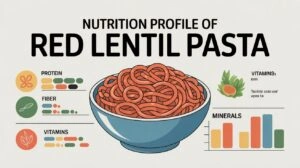
Now, let’s go step-by-step through what makes this pasta nutritionally interesting.
Here’s the practical nutrition breakdown you need to judge if red lentil pasta is right for your goals. Numbers vary by brand, but these ranges reflect typical labelling for popular red lentil pasta products:
Per ~100 g dry red lentil pasta (typical ranges):
- Calories: ~320 kcal.
- Protein: ~18–25 g (often around 20–25 g) — much higher than refined wheat pasta.
- Fiber: ~7–11 g — again, much higher than refined wheat pasta.
- Total carbohydrates: ~50–60 g (but a larger share is fiber and complex starch).
- Iron & folate: lentils are naturally richer in iron and folate than refined wheat; red lentil pasta retains a meaningful share of these micronutrients.
Why these numbers matter:
- Protein helps with fullness and muscle repair — valuable for vegetarians and people seeking a higher-protein meal.
- Fiber supports digestion and slows glucose absorption, contributing to better blood-sugar control.
- Iron & folate are especially important in plant-based diets where animal sources are limited.
Glycemic response: Several studies and product data show legume-based pastas, including red lentil pasta, tend to have a lower glycaemic index (GI) than refined wheat pasta, often in the approximate 30–40 range depending on processing — meaning you get a steadier blood sugar response. This is an important reason nutritionists recommend legume pastas for people wanting stable glucose. PubMed+1
Load-bearing citations (for these core claims): nutrition comparisons and protein/fiber advantages — EatingWell, NutritionValue product data and PubMed glycaemic studies. EatingWell+2Nutrition Value+2
Health Benefits Of Red Lentil Pasta
Let’s break down the actual red lentil nutritional benefits and how they help you in daily life.
1. Keeps You Fuller for Longer
Because it’s rich in protein and fiber, red lentil pasta digests slowly. I personally noticed that after switching from wheat pasta, I stopped feeling hungry within two hours of dinner. The legume content keeps you full, which helps reduce overeating — ideal for weight management.
2. Better Blood Sugar Control
Unlike refined wheat, legume-based pastas release glucose gradually. That’s because lentils are high in resistant and digestible starch that slows sugar absorption. This makes red lentil pasta a smart choice for anyone looking to manage energy levels or prevent mid-afternoon sugar crashes.
3. Gluten-Free for Medical or Lifestyle Needs
If you have celiac disease or gluten sensitivity, red lentil pasta offers the joy of pasta without discomfort. It’s a safe and naturally gluten-free pasta option.
4. Plant-Based Micronutrients
Lentils naturally provide iron, folate, magnesium, and potassium. These are key nutrients many people miss when cutting out wheat or meat products.
5. Easier to Digest for Some
Although legumes can cause gas in large quantities, I’ve found red lentil pasta gentler on digestion than eating whole lentils — likely because it’s milled and cooked differently.
For a real-world take, I’m sharing a helpful Reddit discussion from r/nutrition where people compare red lentil pasta with whole wheat pasta. Many users highlight its higher protein and fiber but note the texture feels different. You can check out that thread here for honest community opinions.
Potential Drawbacks and Considerations
Every food has trade-offs, and it’s important to know them.
1. Texture and Taste
The taste of red lentil pasta is slightly earthy and nutty. The red lentil pasta texture is firmer or grainier compared to traditional pasta. It’s delicious when paired with flavorful sauces but may not satisfy if you expect identical Italian cuisine texture.
2. Price
Lentil pasta can cost double the price of basic durum pasta. It’s becoming more affordable, but cost can still matter for families.
3. Nutrient Fortification
Unlike many wheat pastas that are fortified with iron or folic acid, lentil pastas depend solely on their natural nutrients. For most people that’s fine, but if your diet lacks variety, check labels.
4. Overcooking Issues
Because it’s gluten-free, red lentil pasta turns soft quickly. A few extra minutes can ruin the texture — trust me, I’ve done it. Now, I always set a timer and taste it early.
5. Digestive Sensitivity
If you’re new to legumes, start with small portions. Legume starches can cause gas, but your gut adapts quickly.
Cooking Red Lentil Pasta (Step-by-Step Method)

Cooking changes everything. Here I’ll give you a careful, tested method plus the mistakes I made (so you don’t repeat them).
Serving size to use (practical): for 4 people use 350 g dry red lentil pasta (this gives a filling main course when paired with sauce + veg). If you want lighter portions, use 300 g; for hungry eaters increase to 400 g.
Step-by-step cooking (best method):
- Bring a large pot of water to a rolling boil. Use at least 4–6 quarts for 350 g of pasta. Add a tablespoon of salt.
- Add pasta and stir immediately. This prevents sticking.
- Start tasting early. Many red lentil pastas list 8–10 minutes on the packet — begin tasting at 6 minutes and check every minute until firm but not hard (al dente). Aim for slightly under the advertised time if you plan to finish in the pan or bake.
- Reserve 1 cup of cooking water before draining — this starchy water helps emulsify sauces and smooth texture.
- Drain quickly (don’t over-rinse unless making a pasta salad — then rinse under cold water to stop cooking).
- Finish in the pan. Add drained pasta back to a warm pan with sauce and 1/4 cup of reserved pasta water; toss for 1–2 minutes to combine. This step integrates starch into the sauce and improves mouthfeel.
- Serve immediately.
Common mistakes & what happened (from my experience):
- Mistake: I once boiled the pasta the full packet time then baked it in a casserole. Outcome: the bake turned mushy. Fix: undercook by 1–2 minutes before baking.
- Mistake: Stirring aggressively and trying to strain and toss led to pasta breaking. Fix: stir gently and mix in the pan after draining.
- Mistake: Using a very delicate, light sauce (like a thin oil & lemon) that didn’t match the legume flavor, leaving the dish tasting flat. Fix: pair red lentil pasta with robust pasta sauces, vegetables, or a bit of cheese to balance the legume taste.
Best Sauce Matches:
- Tomato-basil ragù
- Veggie-loaded marinara
- Lemon-garlic olive oil
- Creamy nut or pesto-based sauces
Red Lentil Pasta Recipes (for 4 people)
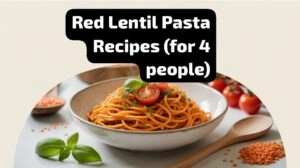
I’ll keep these straightforward and show where red lentil pasta helps.
A. Rustic tomato & basil penne (quick):
- Cook 350 g red lentil penne until 1–2 minutes under packet time. Sauté 1 small onion + 2 garlic cloves in olive oil, add 400 g canned tomatoes, simmer 8–10 minutes. Toss pasta in sauce with 1/2 cup reserved water, finish with basil and a sprinkle of parmesan.
B. One-pot veggie pasta (easier):
- Sauté onion + garlic, add 1 L vegetable stock, 1 cup mixed veg (zucchini, bell pepper, peas), then add 350 g pasta and simmer until pasta absorbs most liquid. Finish with lemon zest and grated cheese.
C. Cold pasta salad:
- Cook al dente, rinse cold, toss with cherry tomatoes, cucumber, olives, feta, and vinaigrette. The firm texture holds up well.
(Each uses 350 g dry pasta for 4 people. If you’re serving 2, use 175 g; for 6, use 525 g.)
Red Lentil Pasta vs Regular Pasta vs Other Legume Pastas
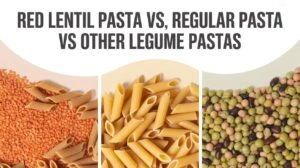
| Feature | Red Lentil Pasta | Regular Pasta | Chickpea / Other Legume Pasta |
| Protein (per 100g) | 20–25g | 12–14g | 18–22g |
| Fiber | 7–11g | 3–4g | 7–9g |
| Gluten-Free | Yes | No | Yes |
| Texture | Grainier, firmer | Smooth, elastic | Similar to lentil |
| Taste | Nutty, earthy | Neutral | Nutty |
| Cost | Higher | Lower | Similar |
| Cooking Time | 6–9 min | 8–11 min | 7–10 min |
FAQs About Is Red Lentil Pasta Healthy
Is red lentil pasta good for weight loss?
Yes, it can help because its high protein and fiber content keeps you full for longer — but weight loss depends on total calorie control.
Does it taste like lentils?
A little. The red lentil pasta taste comparison shows a mild legume flavor, which pairs best with bold sauces.
Is it safe for gluten-free diets?
Yes, it’s naturally gluten-free — just check the packaging for certification.
Can I use it in any recipe?
Absolutely, but shorten the cooking time slightly and avoid overbaking.
Does it lack nutrients compared to wheat pasta?
No — it’s naturally rich in iron, folate, and fiber. It might not be fortified like some wheat brands, but its red lentil nutritional benefits make up for it.
Final Verdict: Is Red Lentil Pasta Healthy
So — is red lentil pasta healthy? Yes, it’s one of the best alternatives to regular pasta if you want a nutrient-dense, gluten-free, and plant-based option. It’s rich in fiber, packed with protein, and offers a steady energy release — making it ideal for most people.
That said, it’s not for everyone. If you’re after the classic Italian cuisine texture or are on a tight budget, regular whole-grain pasta still holds its place. But if you enjoy exploring new types of pasta, red lentil pasta deserves a try. Once you learn how to cook it right, it becomes a satisfying, wholesome addition to your meals.