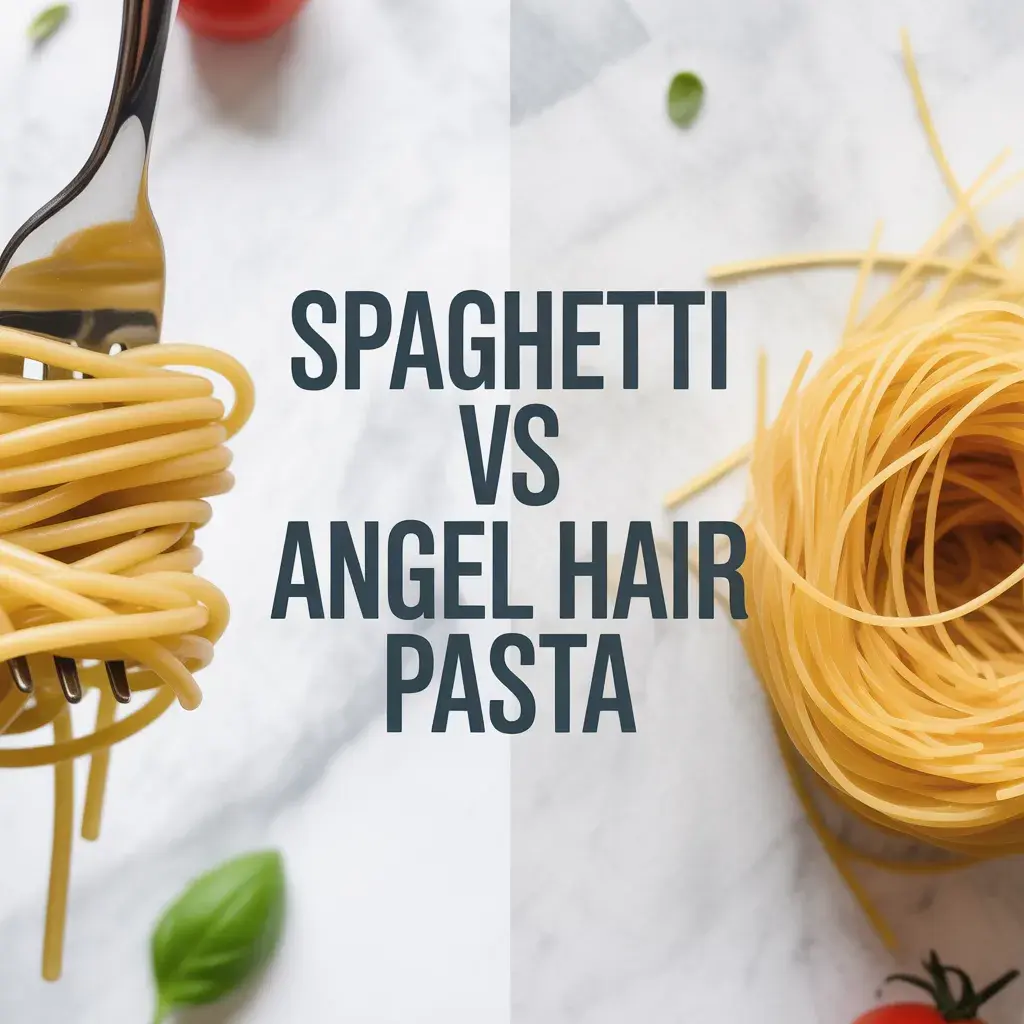
Walk down any pasta aisle and you’ll find them sitting side by side — long, thin, golden strands that look almost identical at first glance. Angel hair and spaghetti are two of the most popular pasta shapes in the world, both beloved by home cooks and professional chefs alike. Yet despite their similar appearance, they are genuinely different pastas that behave differently in the kitchen, pair with different sauces, and create completely different eating experiences on the plate.
Choosing the wrong one for your dish isn’t just a minor inconvenience — it can be the difference between a perfectly balanced, restaurant-quality meal and a clumpy, sauce-swamped disappointment. That thick, hearty Bolognese sauce you spent two hours simmering? It will completely overwhelm angel hair. That elegant, light lemon garlic shrimp dish you’re planning? Spaghetti will make it feel heavy and clunky.
Understanding the difference between angel hair and spaghetti is one of those kitchen fundamentals that quietly elevates everything you cook. And by the end of this guide, you’ll know exactly which pasta to reach for — every single time.
The Origins — Where Did They Come From?
Angel Hair — Italy’s Most Delicate Pasta
Angel hair pasta is called “capelli d’angelo” in Italy, which means angel hair. It originated in Italy by resourceful cooks who used the smallest amount of dough to feed more people. This practical origin story is charming — a pasta born not from extravagance but from Italian culinary ingenuity, stretching ingredients as far as possible while still producing something beautiful and delicious.
Angel hair originated in Southern Italy and has a delicate texture that requires careful cooking. Its reputation for elegance comes naturally — those ultra-fine strands, when cooked correctly, have a lightness and refinement that no other pasta shape quite replicates.
Spaghetti — The World’s Favourite Pasta
Spaghetti is the most popular pasta type worldwide and a staple in Italian cuisine. Its name means “little twine” or “string.” Spaghetti’s origins trace back to Southern Italy as well — particularly Sicily and Naples — where it became a staple food centuries ago. From there it spread across Italy, then across the world, becoming arguably the single most recognizable pasta shape on the planet.
Today, spaghetti is synonymous with Italian food in the popular imagination. From Bolognese to carbonara to cacio e pepe, the most iconic Italian pasta dishes in the world are built around spaghetti — a testament to its extraordinary versatility and universal appeal.
The Key Difference — It’s All About Thickness
Everything that distinguishes angel hair from spaghetti — the cooking time, the sauce pairings, the texture, the best recipes — flows from one fundamental difference: thickness.
The primary difference between angel hair pasta and spaghetti is the width of the noodles. Angel hair pasta has a diameter of just 0.85mm while spaghetti has a diameter of 1.8mm.
That might sound like a trivial difference — less than a millimeter separates them. But in the world of pasta, that gap is enormous. Spaghetti is more than twice the thickness of angel hair, and that difference cascades through every aspect of how you cook and serve each pasta.
It’s a common misconception that angel hair is just “thin spaghetti,” but the difference in thickness is significant. The thinness of angel hair dictates everything about how you cook and serve it.
Think of it this way: angel hair is gossamer-fine, like actual hair. Spaghetti is robust and substantial — you can feel it between your teeth. Same family, completely different personalities.
Texture and Mouthfeel
Angel Hair’s Texture
Angel hair pasta is incredibly delicate. The delicate strands require a gentle touch throughout cooking and serving. When cooked perfectly — and the window is narrow — angel hair has a beautifully light, almost silky texture that feels refined and elegant in the mouth. It’s the pasta equivalent of fine silk versus sturdy cotton.
The challenge is that this delicacy cuts both ways. Treating angel hair like spaghetti is the fastest way to a disappointing, mushy meal. Overcook it by even a minute and those delicate strands collapse into a sticky, clumpy mass that no sauce can save.
Spaghetti’s Texture
Spaghetti’s greater thickness gives it a satisfying, substantial chew when cooked al dente. Spaghetti is sturdy and adaptable — thicker and more versatile, capable of handling a variety of cooking methods and chunkier sauces. That chew is part of what makes spaghetti so satisfying — there’s a pleasant resistance to each bite that feels hearty and filling in a way angel hair simply cannot replicate.
Spaghetti also has significantly more forgiving cooking behavior. While you should still taste regularly and aim for al dente, spaghetti tolerates a slightly longer cook time without the immediate catastrophic results angel hair delivers when overcooked.
Cooking Times — Faster vs Forgiving
This is one of the most practically important differences between the two pastas.
Angel hair cooks very quickly, typically in 3–5 minutes. Spaghetti, being thicker, requires a longer cooking time, usually around 8–10 minutes.
For angel hair specifically, the cooking window is just 2–4 minutes at most. If you turn your back on it for even a minute too long, it can overcook. This is not an exaggeration — angel hair is genuinely unforgiving. Standing by the pot and testing it frequently is non-negotiable.
For best results with angel hair, remove the pasta from the boiling water just before it turns al dente — a minute or so less than the package instructs — and transfer directly into the sauce. The residual heat from the sauce finishes the cooking process perfectly, and the pasta absorbs the sauce’s flavors in those final moments.
For spaghetti, the 8–10 minute window is more relaxed. Start tasting at around the 7-minute mark and drain when it still has a slight firmness at the center — it will continue cooking briefly when tossed with your sauce.
How to Cook Both Perfectly — Key Rules
Salt your water generously — For both pastas, the water should taste seasoned. This is the only chance you have to season the pasta itself from the inside.
Never break the pasta — Resist the urge to snap spaghetti or angel hair to fit the pot. Fan it out, let the ends soften, and submerge gently.
Reserve pasta water — Save a cup of starchy cooking water before draining. It’s invaluable for adjusting sauce consistency.
Never rinse — Unless making a cold pasta salad, never rinse cooked pasta. Rinsing removes the starch that helps sauce cling beautifully to each strand.
Finish in the sauce — Always toss both pastas directly in the sauce for the last minute or two of cooking. This is where the magic happens.
Sauce Pairings — The Most Important Distinction
If there’s one rule that separates successful angel hair dishes from disasters, it’s sauce selection. Angel hair simply can’t handle heavier sauces. Chunky sauces or thicker sauces will just overwhelm it. Creamy sauces, thick sauces, or meaty sauces are also a no-go.
Best Sauces for Angel Hair
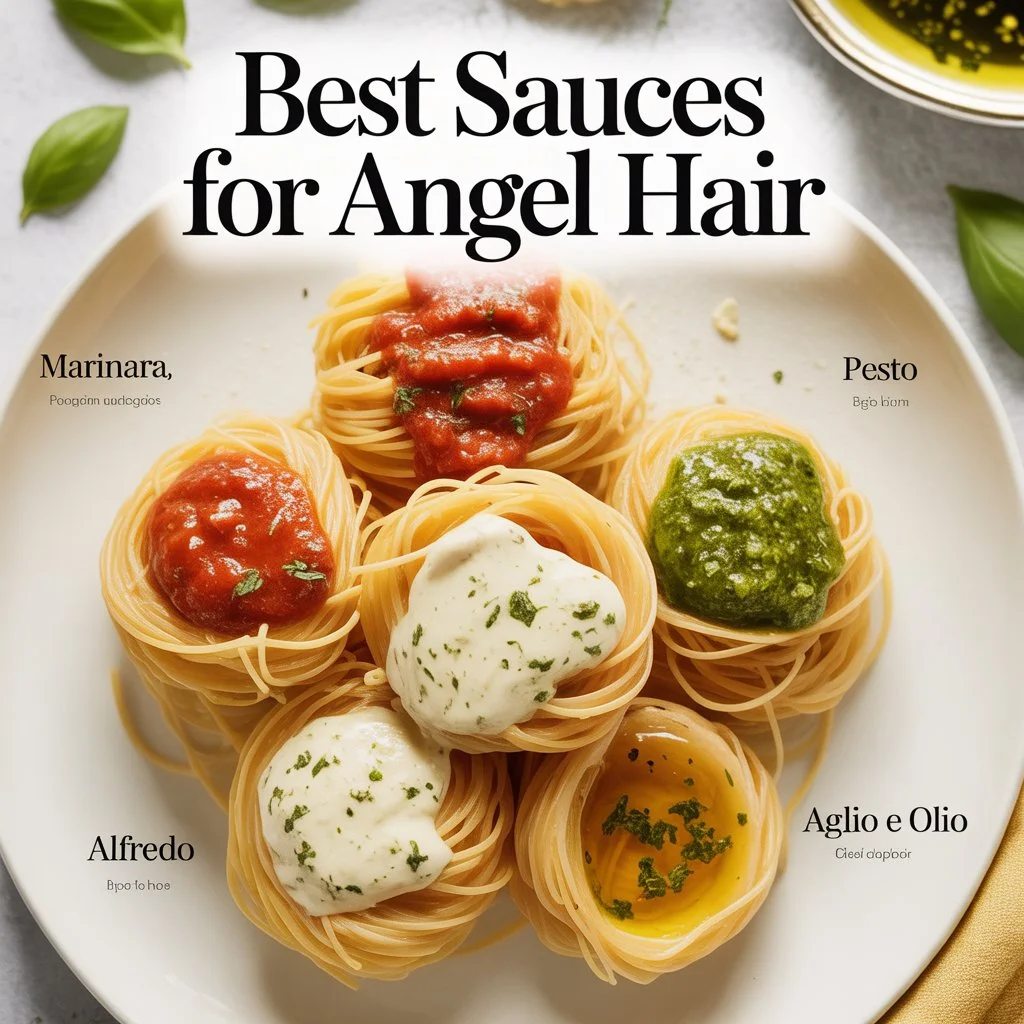
Stick to lighter sauces, oil-based sauces, or butter-based sauces with angel hair. Think aglio e olio, pesto-based sauce, or marinara. Angel hair shines particularly with seafood sauces and fresh herbs.
The best angel hair pairings include:
Aglio e Olio — Garlic, olive oil, red pepper flakes, and parsley. Simple, elegant, and one of the greatest pasta dishes ever created. Angel hair’s delicacy allows each ingredient to shine distinctly.
Lemon Garlic Shrimp — A classic angel hair recipe is Lemon Garlic Shrimp using fresh lemon juice, parsley, garlic, and shrimp sautéed in butter. The light, bright sauce complements the pasta’s delicacy perfectly.
Light Tomato Sauce with Fresh Basil — A simple, fresh pomodoro sauce rather than a long-cooked ragù. The freshness of the tomatoes pairs beautifully with angel hair’s subtle flavor.
Pesto — Basil pesto’s oily, herb-forward character coats angel hair’s fine strands evenly without weighing them down.
Light Broth-Based Dishes — Angel hair can also be added to seafood soups or served plain with braised meat and roasted vegetables.
Best Sauces for Spaghetti
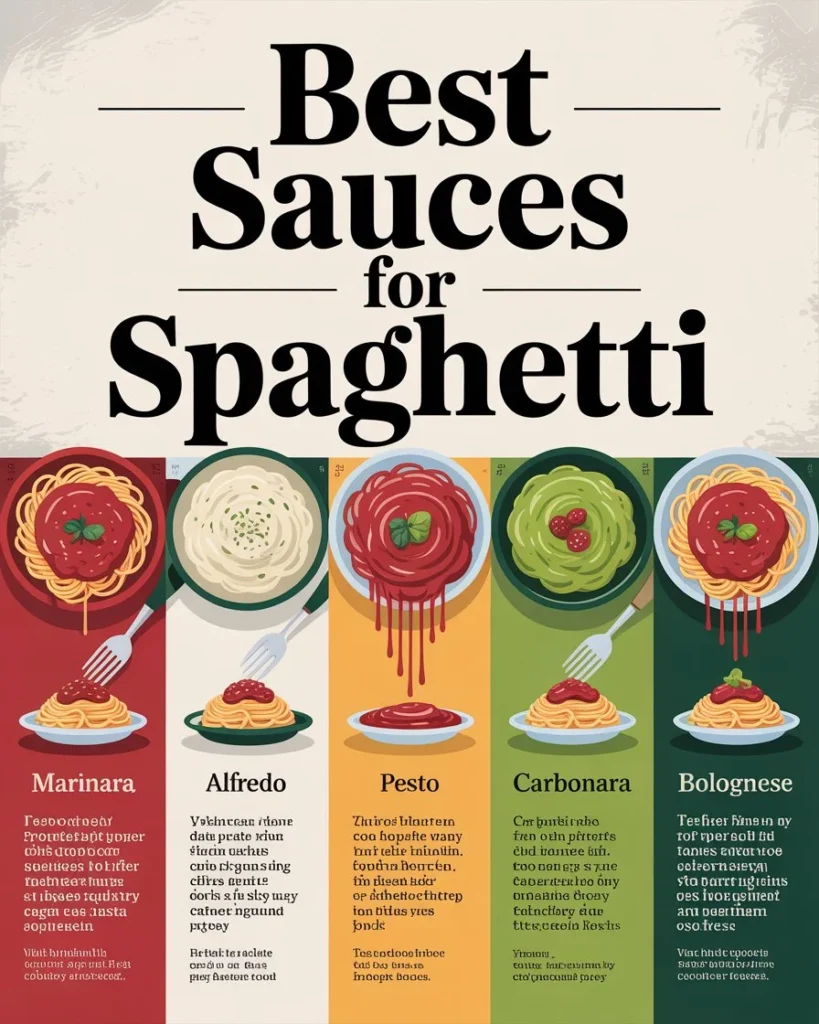
From simple sauces to complex ragùs, spaghetti can do it all. Its thickness and surface area make it one of the most versatile pasta shapes for sauce pairing.
The best spaghetti pairings include:
Bolognese — The classic meat ragù is one of spaghetti’s greatest partners. The pasta’s substantial texture can stand up to the weight and richness of a slow-cooked meat sauce.
Carbonara — Eggs, guanciale, pecorino romano, and black pepper. Spaghetti’s body creates the ideal surface for this rich, coating sauce.
Cacio e Pepe — One of Rome’s greatest pasta dishes, and spaghetti is the traditional vehicle. The starchy, cheesy sauce clings to the robust strands beautifully.
Puttanesca — Olives, capers, anchovies, and tomatoes. Bold, briny flavors that need spaghetti’s heft to hold their own.
Marinara and Tomato-Based Sauces — The classic pairing that defined spaghetti’s worldwide popularity.
Alfredo and Cream Sauces — Spaghetti handles creamy sauces well, though fettuccine is the traditional choice for Alfredo.
Can You Substitute One for the Other?
The short answer is: sometimes, but carefully.
One can substitute linguine, vermicelli, angel hair, or pasta for spaghetti — the determining factor is the type of sauce it is served with.
Substituting spaghetti for angel hair: Works reasonably well in most light sauce dishes, though the result will feel heartier and less delicate. Adjust cooking time accordingly — spaghetti needs significantly longer in the pot.
Substituting angel hair for spaghetti: This is where caution is needed. It’s not a good idea to use angel hair for a spaghetti Bolognese recipe — the thick, meaty sauce will overpower the delicate pasta, and you won’t get a good balance of flavors. For light sauce dishes, the substitution works fine. For anything rich, chunky, or cream-based — don’t do it.
The golden rule: if the sauce is light, the substitution is usually fine. If the sauce is heavy, rich, or chunky — stick with spaghetti.
Nutritional Comparison
Since both pastas are typically made from the same ingredients — durum wheat semolina and water — their nutritional profiles are nearly identical per serving.
The specific nutrient content can vary depending on the type of flour used. Whole wheat spaghetti will offer a higher fiber content compared to refined white flour angel hair or spaghetti.
Per standard 2oz dry serving of both pastas:
| Nutrient | Angel Hair | Spaghetti |
|---|---|---|
| Calories | ~200 | ~200 |
| Carbohydrates | ~40g | ~40g |
| Protein | ~7g | ~7g |
| Fat | ~1g | ~1g |
| Fiber | ~2g | ~2g |
Angel hair, thin spaghetti, and regular spaghetti made from the same ingredients will have the same nutritional profile per gram. The difference comes down to portion size and, more importantly, the sauces you pair them with.
In other words: the pasta itself isn’t the nutritional variable — the sauce is. A light aglio e olio with angel hair is significantly leaner than a cream-heavy carbonara with spaghetti, but that’s the sauce talking, not the pasta.
Both are available in whole wheat versions that offer meaningfully more fiber and a lower glycemic index — worth considering if you’re managing blood sugar or looking for more nutritional density in your meals.
Popular Recipes — When to Use Each
Angel Hair Recipes
- Angel Hair Aglio e Olio — Garlic, olive oil, chili flakes, fresh parsley. Ready in 15 minutes. Pure Italian simplicity.
- Lemon Garlic Shrimp Angel Hair — Butter-sautéed shrimp with lemon, garlic, and white wine over angel hair. Light, elegant, and impressive.
- Angel Hair Primavera — Fresh spring vegetables, light broth, parmesan. A classic Italian-American celebration of seasonal produce.
- Angel Hair with Clam Sauce — White wine, clams, garlic, and fresh herbs. The delicate pasta perfectly complements the briny sweetness of clams.
- Angel Hair Soup — Fine strands in a light chicken or seafood broth. Angel hair’s delicacy makes it ideal for soups where heavier pasta would feel out of place.
Spaghetti Recipes
- Spaghetti Bolognese — The quintessential meat ragù. Hours of slow cooking rewarded with the ultimate comfort food.
- Spaghetti Carbonara — Eggs, guanciale, pecorino, black pepper. No cream. Rich, silky, and deeply satisfying.
- Spaghetti Cacio e Pepe — Just three ingredients: pasta, pecorino romano, and black pepper. One of the most technically rewarding pasta dishes to master.
- Spaghetti Puttanesca — Bold, briny, and packed with Mediterranean flavor. Ready in 20 minutes.
- Spaghetti Marinara with Meatballs — The Italian-American classic that introduced generations around the world to pasta.
Quick Reference Guide — Angel Hair vs Spaghetti
| Feature | Angel Hair | Spaghetti |
|---|---|---|
| Thickness | 0.85mm | 1.8mm |
| Cooking Time | 2–4 minutes | 8–10 minutes |
| Texture | Delicate, silky | Substantial, chewy |
| Best Sauces | Light, oil-based, seafood | All sauces, especially hearty |
| Avoid | Thick, chunky, creamy sauces | Nothing — it’s versatile |
| Forgiveness | Low — overcooks quickly | High — more forgiving |
| Best Dishes | Aglio e olio, seafood, light broth | Bolognese, carbonara, cacio e pepe |
| Difficulty Level | Moderate — requires attention | Easy — beginner-friendly |
Final Verdict — Which One Should You Choose?
Here’s the simple truth: neither is better than the other. They serve different purposes, and understanding those purposes is what makes you a better cook.
The choice is less about which is “better” and more about what kind of meal you want to create. For a quick, delicate, and elegant dish where the pasta itself is a star, reach for angel hair. For a slightly more robust but still refined meal, spaghetti is your reliable and versatile friend.
If you’re cooking for a quick, light, elegant weeknight dinner with fresh ingredients and a simple sauce — angel hair. If you’re cooking a hearty, satisfying, sauce-driven dish that needs a substantial pasta to carry it — spaghetti.
And if you can only stock one in your pantry? Spaghetti wins on pure versatility. Its ability to handle virtually any sauce, forgive slightly imprecise cooking, and satisfy a broader range of appetites makes it the more practical everyday choice.
But angel hair’s moment — that perfectly cooked plate of lemon garlic shrimp or aglio e olio, delicate and elegant and done in under 15 minutes — is one of the purest pleasures Italian cuisine has to offer. Keep both in your pantry. Learn when to use each. And enjoy the difference every time. 🍝
Hungry for more pasta guides? We’ve got plenty more coming — recipes, comparisons, tips, and everything in between.