
If you’ve been told to cut down on pasta because of high blood sugar, you’re definitely not alone. For many of us, pasta is more than a meal — it’s comfort in a bowl. But for diabetics, traditional pasta can cause unwanted blood sugar spikes because of its high carbohydrate content and refined flour base.
So, the big question is: can you still enjoy “pasta-like” meals without affecting your glucose levels? The short answer is yes — you absolutely can!
In this article, we’ll explore the best pasta alternatives for diabetics, including some of my personal favorites I’ve tested in my own kitchen. You’ll learn how each substitute affects your blood sugar, how to cook it perfectly, and what to expect in terms of texture and taste. We’ll also discuss practical cooking tips, portion control, and how these swaps can help manage diabetes effectively.
So, let’s dive right in and see which pasta alternatives are worth trying — and which might surprise you with how delicious they can be.
Why Diabetics Should Try Pasta Alternatives
Before we jump into the list, let’s understand why you need to look for pasta alternatives in the first place. Traditional pasta — whether made from white flour or even whole wheat — is rich in carbohydrates that quickly convert to glucose in your bloodstream. This can lead to sharp spikes in blood sugar levels, something diabetics have to manage carefully.
Most pasta alternatives, on the other hand, are made from low-glycemic ingredients such as vegetables, legumes, or konjac root. These ingredients not only help regulate blood sugar but also offer fiber, protein, and nutrients that make your meals more balanced and satisfying.
From my personal experience, switching to healthier pasta substitutes didn’t just help with sugar control — it also made me feel lighter after meals. And over time, I noticed fewer cravings and better digestion.
So, if you love pasta but want to stay healthy, these alternatives will let you have both comfort and control on your plate.
How to Make Top 6 Pasta Alternatives for Diabetics (Step-by-Step Guide)
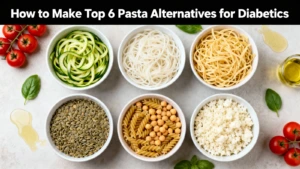
Now that we’ve talked about why pasta alternatives matter, let’s move into the fun part — how to actually make them.
This section is where I’ll walk you through each type — how I personally prepare them, what ingredients I use, what to avoid, and little tricks that make them taste amazing.
You don’t need fancy equipment or complicated steps — just a bit of patience, the right texture, and the right sauce pairing.
Let’s get started.
1. Zucchini Noodles (Zoodles)
Zoodles are one of my absolute favorites. They’re quick, light, and fresh — and the best part is, you can make them in under 10 minutes.
What You’ll Need
- 2 medium zucchinis (for 2 servings)
- 1 tablespoon olive oil
- 1 garlic clove, minced
- Salt and black pepper to taste
- Optional: a handful of cherry tomatoes, lemon zest, or grated parmesan
Step-by-Step Instructions
- Spiralize the zucchini:
I use a handheld spiralizer — it’s affordable and easy to clean. If you don’t have one, a vegetable peeler works fine too (you’ll get flat ribbons instead of noodles).
Spiralize from the top to the bottom of the zucchini until you reach the core (the seedy part). Don’t include that — it tends to get mushy. - Remove excess moisture:
After spiralizing, I always sprinkle a pinch of salt on the zoodles and let them rest in a colander for 10–15 minutes. This step is super important because zucchini releases a lot of water when cooked.
Then I gently squeeze them with paper towels — not too hard, just enough to get rid of extra moisture. - Quick sauté:
In a non-stick skillet, heat olive oil over medium heat. Add minced garlic and sauté for 30 seconds until fragrant.
Then, toss in the zoodles and cook for just 2–3 minutes. I never overcook them — they should still have a little bite (like al dente pasta). - Season and serve:
Add salt, pepper, and a squeeze of lemon juice. Sometimes I throw in halved cherry tomatoes for color and flavor.
Top with a sprinkle of parmesan or nutritional yeast for a cheesy note.
My Tip:
When I first started making zoodles, I used to cook them longer, thinking it’d make them softer. Big mistake! They turned soggy and watery. Now I always keep the cooking time short — it keeps them firm and pasta-like.
2. Shirataki Noodles (Konjac Noodles)
These are what I call “magic noodles.” They’re made from the konjac root and contain almost zero carbs or calories — perfect for anyone managing diabetes.
What You’ll Need
- 1 package shirataki noodles (7 oz or 200g)
- 1 teaspoon olive oil
- 1 garlic clove, minced
- ½ teaspoon soy sauce or tamari (optional)
- Salt and pepper to taste
Step-by-Step Instructions
- Rinse thoroughly:
Shirataki noodles come packed in liquid that has a fishy smell — completely normal!
I rinse them under cold water for at least 1–2 minutes while gently tossing with my hands. - Boil to neutralize odor:
Bring a pot of water to a boil and add the rinsed noodles. Boil for about 2–3 minutes.
This helps remove any leftover smell and softens the texture slightly. - Dry roast (the key step):
Drain the noodles well and transfer them to a dry non-stick pan.
Cook on medium heat (without oil) for about 5 minutes — this step is what changes their texture from rubbery to pasta-like. - Add seasoning:
Once dry, add a drizzle of olive oil, minced garlic, and a dash of soy sauce. Toss well.
I like to add steamed veggies or a few drops of sesame oil if I’m making an Asian-style dish.
My Tip:
When I first used shirataki noodles, I skipped the dry roast step — and they felt slippery and strange. Now, roasting them dry is non-negotiable. It makes the biggest difference in flavor and mouthfeel.
3. Spaghetti Squash
If you want something that looks and twirls like spaghetti, this is the one. It’s warm, cozy, and naturally slightly sweet — I love it with marinara or garlic butter.
What You’ll Need
- 1 medium spaghetti squash (serves 2–3 people)
- 1 tablespoon olive oil
- Salt and pepper to taste
- Optional: ½ cup marinara sauce, grated cheese, or herbs
Step-by-Step Instructions
- Preheat and prep:
Preheat your oven to 400°F (200°C). Slice the squash in half lengthwise — I usually microwave it for 3 minutes first to soften it (it’s hard to cut raw).
Scoop out the seeds and stringy bits. - Season and roast:
Brush each half with olive oil, sprinkle with salt and pepper, and place them cut side down on a baking tray lined with parchment paper.
Roast for 35–40 minutes until the flesh is tender when poked with a fork. - Scrape into strands:
Let it cool slightly, then use a fork to gently scrape out the flesh — it’ll naturally form spaghetti-like strands.
I always find this part oddly satisfying! - Add sauce and serve:
Toss with marinara or pesto, or simply drizzle with olive oil and herbs.
My Tip:
Sometimes I roast an extra squash and keep the strands in an airtight container for up to 4 days. They reheat beautifully and make weekday dinners much faster.
4. Chickpea Pasta
This one’s for those who want a heartier, protein-rich pasta alternative that’s closer to the real thing in taste and texture.
What You’ll Need
- 1 cup dried chickpea pasta
- 1 tablespoon olive oil
- 1 clove garlic
- ½ cup vegetables (broccoli, spinach, or bell peppers)
- Salt and pepper
Step-by-Step Instructions
- Boil the pasta:
Bring a pot of water to a boil, add a pinch of salt, and cook the chickpea pasta according to the package instructions — usually 6–8 minutes.
Stir occasionally to prevent sticking. - Don’t overcook:
I always taste-test around minute 6. Overcooked chickpea pasta can get mushy fast, and the texture is key to enjoying it. - Prepare your sauce:
In a skillet, heat olive oil and garlic. Add your favorite veggies and sauté until tender. - Combine and serve:
Add the drained pasta directly into the pan and toss everything together. Season well.
My Tip:
The first time I made chickpea pasta, I added too much sauce, which made it soggy. Now, I keep my sauce lighter — olive oil, lemon, and herbs work best to let its nutty flavor shine.
5. Lentil Pasta
Lentil pasta is filling, flavorful, and gives you a nice protein and fiber boost — perfect if you’re trying to stay full without raising your blood sugar.
What You’ll Need
- 1 cup lentil pasta
- 1 tablespoon olive oil
- ½ onion, finely chopped
- ½ cup tomato sauce or pesto
- Salt and herbs to taste
Step-by-Step Instructions
- Boil the pasta:
Add lentil pasta to salted boiling water and cook for 8–10 minutes until al dente.
Drain and rinse lightly with warm water to prevent sticking. - Cook your sauce:
In a pan, sauté onions in olive oil until translucent. Add tomato sauce and herbs. Simmer for 5 minutes. - Mix it up:
Toss the lentil pasta into the sauce and stir gently. Add a splash of water if needed to loosen it up.
My Tip:
I sometimes add a spoon of Greek yogurt or cottage cheese to make it creamier without adding too much fat. It gives a nice balance between flavor and health.
6. Cauliflower Rice “Pasta” Bowl
This is my secret trick when I’m craving pasta flavors but don’t want any form of noodles. It’s a low-carb, low-calorie comfort meal that still satisfies.
What You’ll Need
- 1 small cauliflower head
- 1 tablespoon olive oil
- 1 garlic clove, minced
- Salt, pepper, and herbs
- Optional: tomato sauce or sautéed mushrooms
Step-by-Step Instructions
- Rice the cauliflower:
Cut the cauliflower into florets and pulse in a food processor until it resembles rice. Don’t over-blend — or it’ll turn mushy. - Cook it:
Heat olive oil in a skillet. Add garlic and cook for 30 seconds. Add the cauliflower rice and sauté for 5–7 minutes, stirring often. - Flavor it up:
Add salt, pepper, and herbs like oregano or thyme. If you’re in the mood for an Italian flavor, add a few spoons of tomato sauce and toss.
My Tip:
Sometimes I mix half cauliflower rice with a handful of shirataki noodles — it gives a great balance of texture and volume without carbs.
My Experience Testing These Pasta Alternatives
Over the past year, I’ve tested all these pasta alternatives for both taste and blood sugar response. The biggest lesson I’ve learned? There’s no single “perfect” alternative — it depends on your taste, texture preference, and how your body reacts.
For instance, shirataki noodles were a game-changer for days when I wanted to cut carbs entirely. On other days, chickpea or lentil pasta kept me full and energized. And when I wanted something light and fresh, zoodles were my go-to.
If I had to pick a favorite, I’d say spaghetti squash — because it balances texture, flavor, and satisfaction beautifully.
Cooking Tips for Each Substitute
Here are a few general tips to help you make the most of these pasta alternatives:
- Avoid overcooking: Most plant-based substitutes get mushy if cooked too long.
- Use strong sauces: Since many alternatives have mild flavors, sauces like garlic butter, marinara, or pesto add depth.
- Mind your portions: Even low-carb pasta can raise blood sugar if eaten in excess.
- Balance your plate: Add lean proteins (like chicken or tofu) and healthy fats (olive oil, nuts) for a complete diabetic-friendly meal.
I’ve shared everything you need to know about pasta alternatives for diabetics based on my own experience and research. But if you’d like to explore more user insights and real-life experiences, you can visit this Reddit thread where people managing diabetes discuss their favorite pasta substitutes and share what actually worked for them.
How Pasta Substitutes Help Manage Diabetes
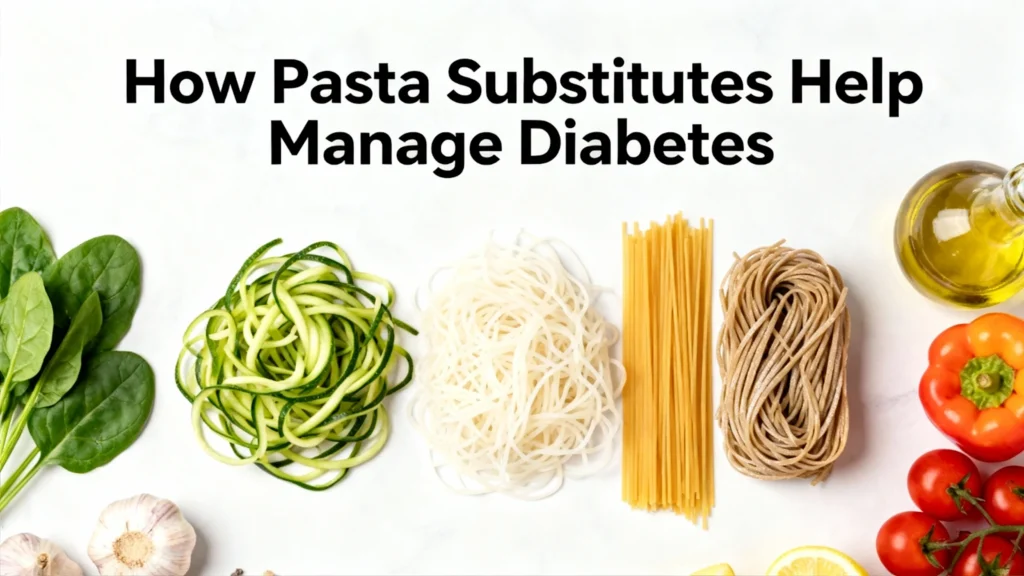
So, how do these swaps actually help your body?
Pasta alternatives work by reducing the glycemic load of your meals, meaning your blood sugar rises more slowly after eating. They’re also rich in fiber, which supports digestion and helps control appetite — two key benefits for people with diabetes.
Many of these substitutes also provide plant-based protein, which helps maintain muscle mass while keeping carbs in check. In short, they allow you to enjoy the satisfaction of pasta without the blood sugar spikes.
FAQs About Pasta Alternatives for Diabetics
Can diabetics eat shirataki noodles?
Yes! They’re one of the best options — virtually zero carbs and calories.
What’s the best pasta substitute for diabetics?
It depends on your taste. Zoodles and spaghetti squash are great for light meals, while chickpea and lentil pasta are ideal for higher protein needs.
Are vegetable-based pastas gluten-free?
Most of them are naturally gluten-free, making them perfect for both diabetics and those with gluten intolerance.
Can I mix regular pasta with alternatives?
Absolutely! Mixing small portions of whole-grain pasta with shirataki or zoodles can help you adjust to the change gradually.
Conclusion: Pasta Alternatives for Diabetics
Managing diabetes doesn’t mean giving up your favorite foods — it’s about making smarter swaps. With these pasta alternatives for diabetics, you can still enjoy comforting, flavorful meals while supporting your health goals.
Whether you choose zucchini noodles for freshness, shirataki noodles for zero carbs, or chickpea pasta for protein power, there’s an option for every craving.
I’ve personally enjoyed experimenting with all these substitutes, and I can confidently say — once you start exploring, you’ll realize that diabetic-friendly meals can be just as delicious and satisfying as the originals.
So go ahead, pick your favorite alternative, try a new recipe tonight, and rediscover pasta in a healthier way!